Economists have started putting numbers on healthy aging. The results favor volunteering, friendship and a safer front step over anything you can buy for a gym.
Ask people what keeps older adults healthy and you will hear the usual answers. Exercise. Good food. A doctor who listens. Very few would mention a defensive driving class.
Yet when researchers at the McKinsey Health Institute set out to measure which healthy aging efforts pay for themselves, a refresher course for older drivers landed near the top of the list. Every dollar spent returned more than fourteen. Only one thing did better, and it was not a treatment or a technology. It was giving people something useful to do.
Wellness, it turns out, has a balance sheet
The findings appear in a new report from the International Council on Active Aging, which gathered senior living operators, scientists, designers and academics for its annual Wellness Think Tank. Their conclusion is blunt. Wellness is not a perk for the brochure. It is an investment, and it can be measured like one.
The report draws on McKinsey's 2025 analysis of the American economy, which estimated that every dollar put into healthy aging returns roughly three in value. The returns come from illnesses that never develop, hospital stays that never happen, and people who stay involved in work, family and community for longer.
"The future of senior living isn't defined by housing or healthcare," says Colin Milner, the council's founder and chief executive. Instead, he argues, "it's defined by healthspan, life engagement and the wellness strategies that deliver measurable outcomes."
The best returns came from the least glamorous places
What stands out is how ordinary the winners are.
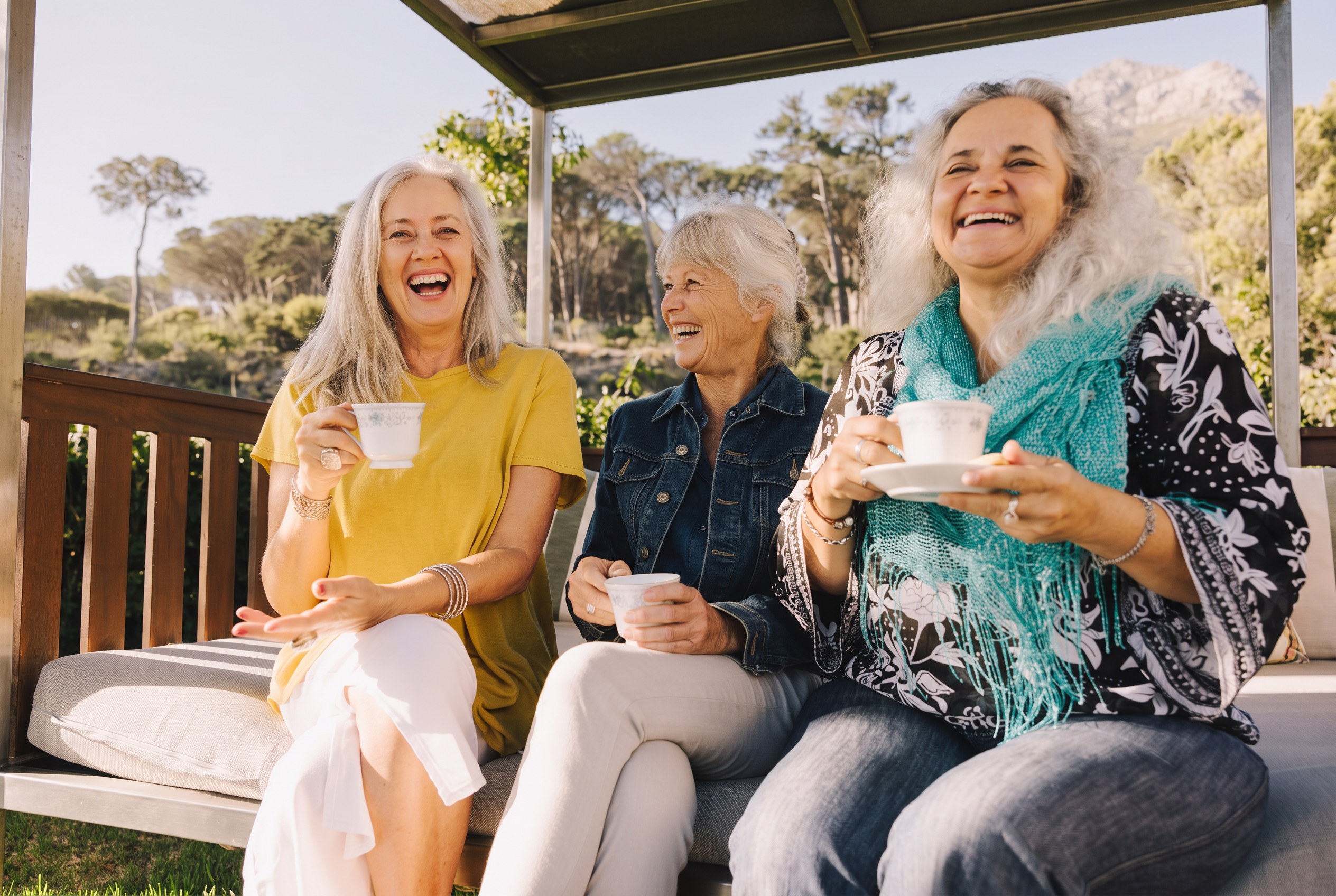
In first place were volunteer programs that put older people's skills to work. For every dollar spent, they returned more than 24. Second came the driving classes, at more than 14. Third was technology that helps people take their medicines on time and in the right doses, which returned more than seven. Fourth were programs that help people make and keep friends, at nearly five.
The rest of the list still paid off, just more modestly. Better access to the outdoors, homes designed to prevent falls and more chances to exercise each returned about two dollars for every one invested.
There is no high-tech gadget on that list, and no luxury spa. What works best is purpose, company and the ability to get around safely.
The best return in healthy aging is not a machine. It is a reason to get up in the morning.
A sense of purpose is good medicine
Gerontologists will not be surprised. Years of research have linked a sense of purpose to better health in later life, and loneliness to worse. What the McKinsey figures add is a price. A retired accountant who helps neighbors with their taxes, or a former teacher who reads with children after school, is not only having a good day. By this measure, they are one of the best investments a community can make.
The driving result makes sense too, once you think about it. For many older adults, the car keys are the keys to independence. Keeping people driving safely for longer keeps them shopping, volunteering and visiting friends.
The payoff shows up in everyday operations
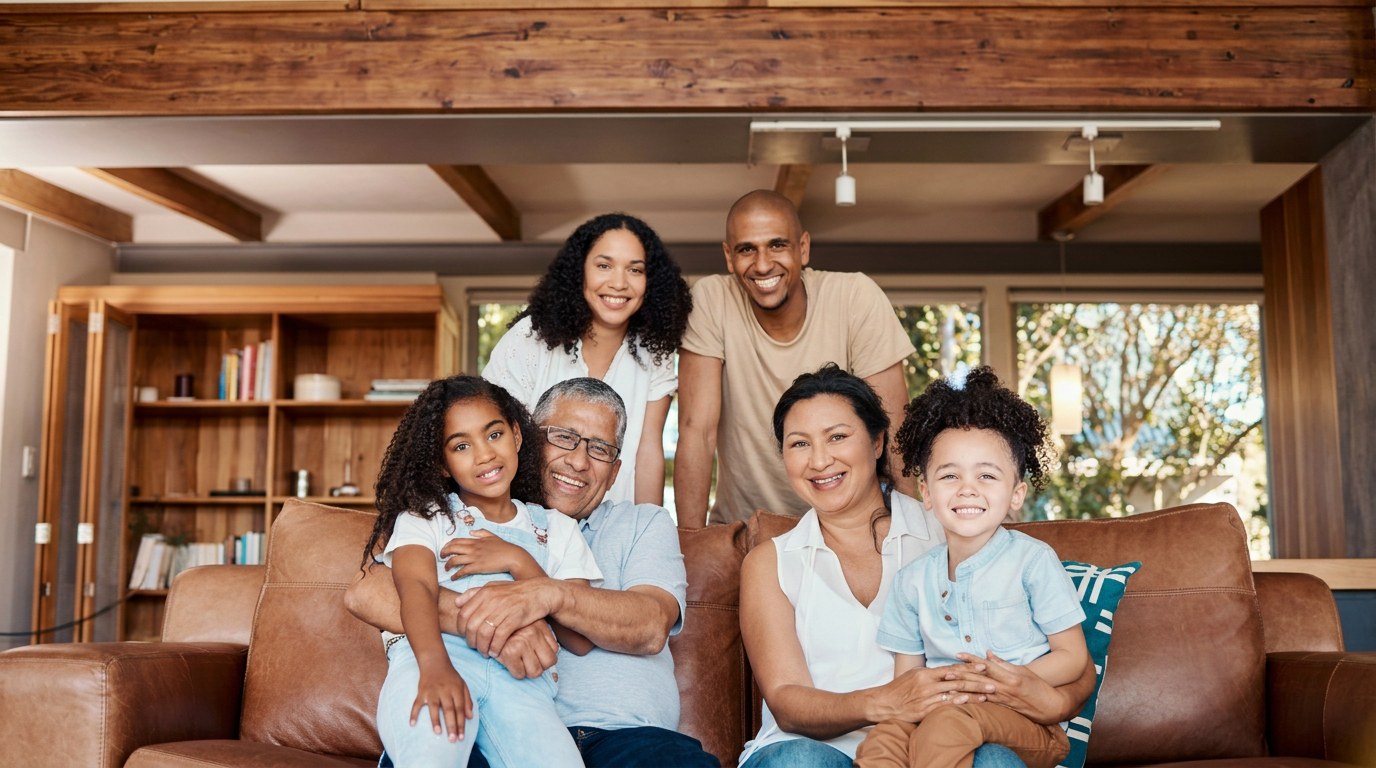
For the people who run retirement communities, the benefits arrive in familiar places. Fewer falls mean fewer ambulance calls. Residents who stay well remain independent for longer, which means longer stays and steadier occupancy. Families notice, too. A community that feels lively sells itself.
Staff benefit as well. "People who feel they're contributing to something larger than a job bring that energy into every resident interaction," one think tank delegate said, according to the report. In a sector where good caregivers are hard to find and harder to keep, that is no small thing.
Most of us will live longer than we stay well
Behind the report sits a stubborn global gap. According to World Health Organization figures it cites, life expectancy worldwide reached just over 73 years in 2019. Healthy life expectancy was about 63 and a half. On average, that is nearly a decade spent managing illness or decline.
Our hopes are moving the other way. The Pew Research Center has found that Americans now hope to live, on average, to 91. Most of us do not just want those extra years. We want them to be good ones.
Some of the answers are built into the walls
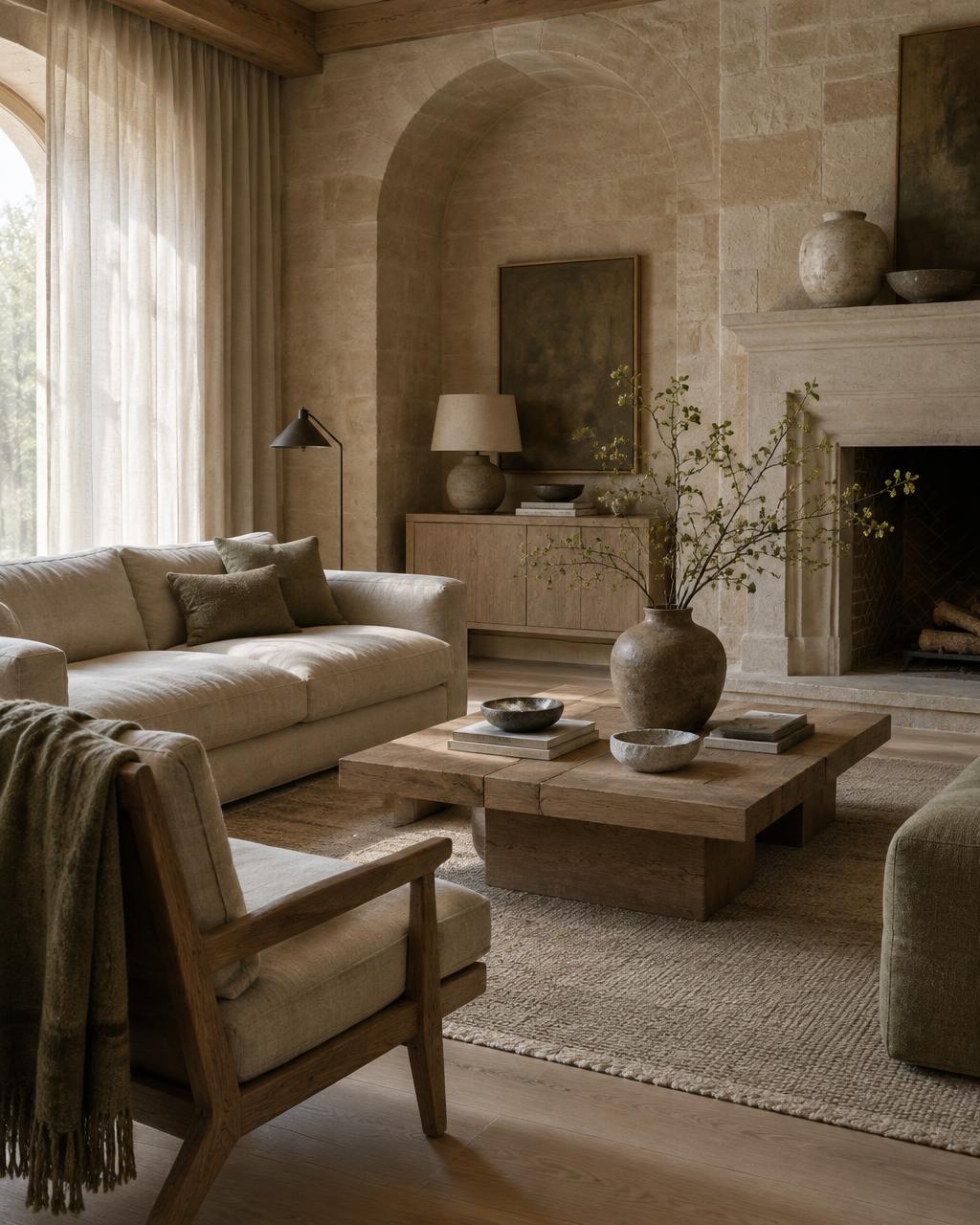
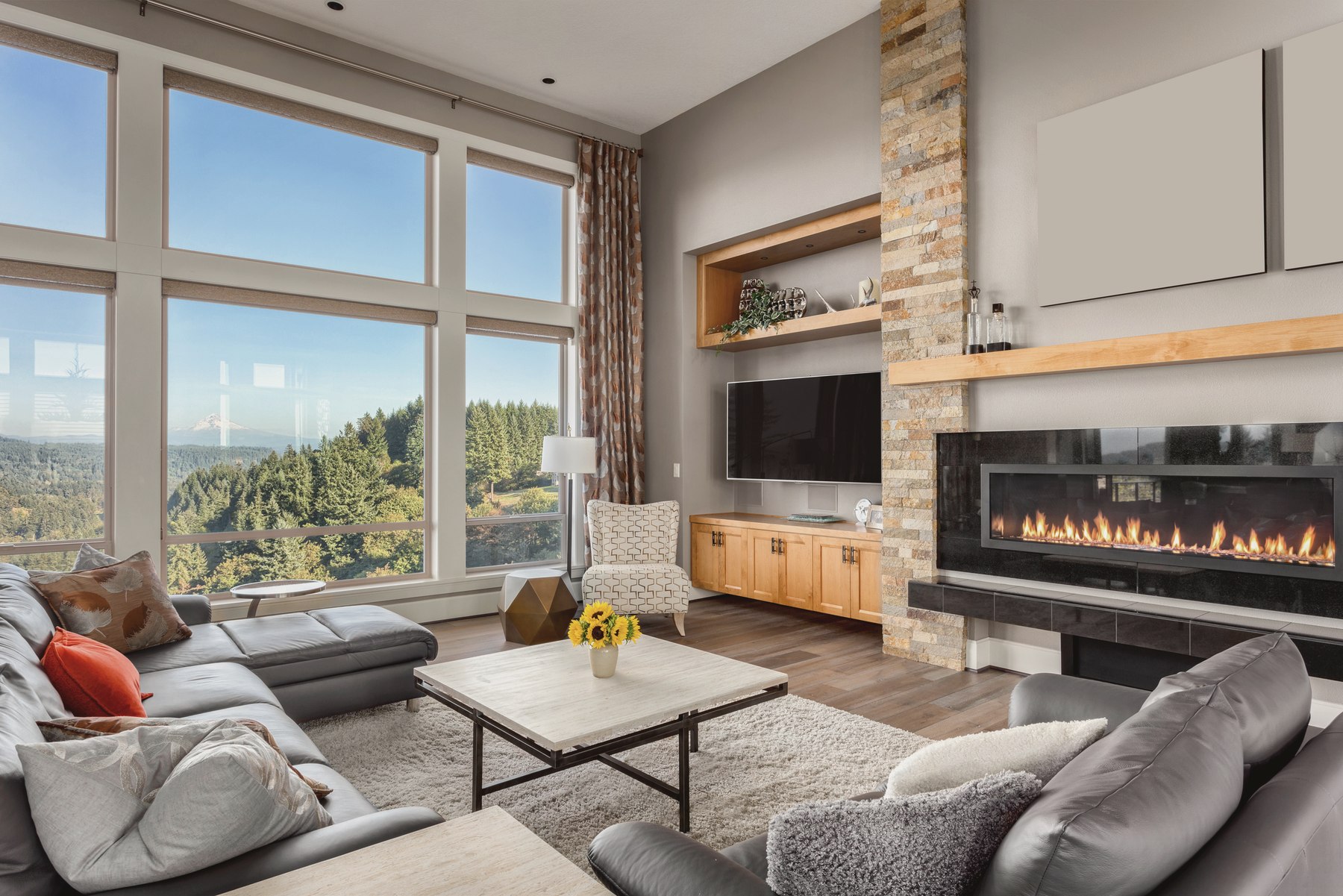
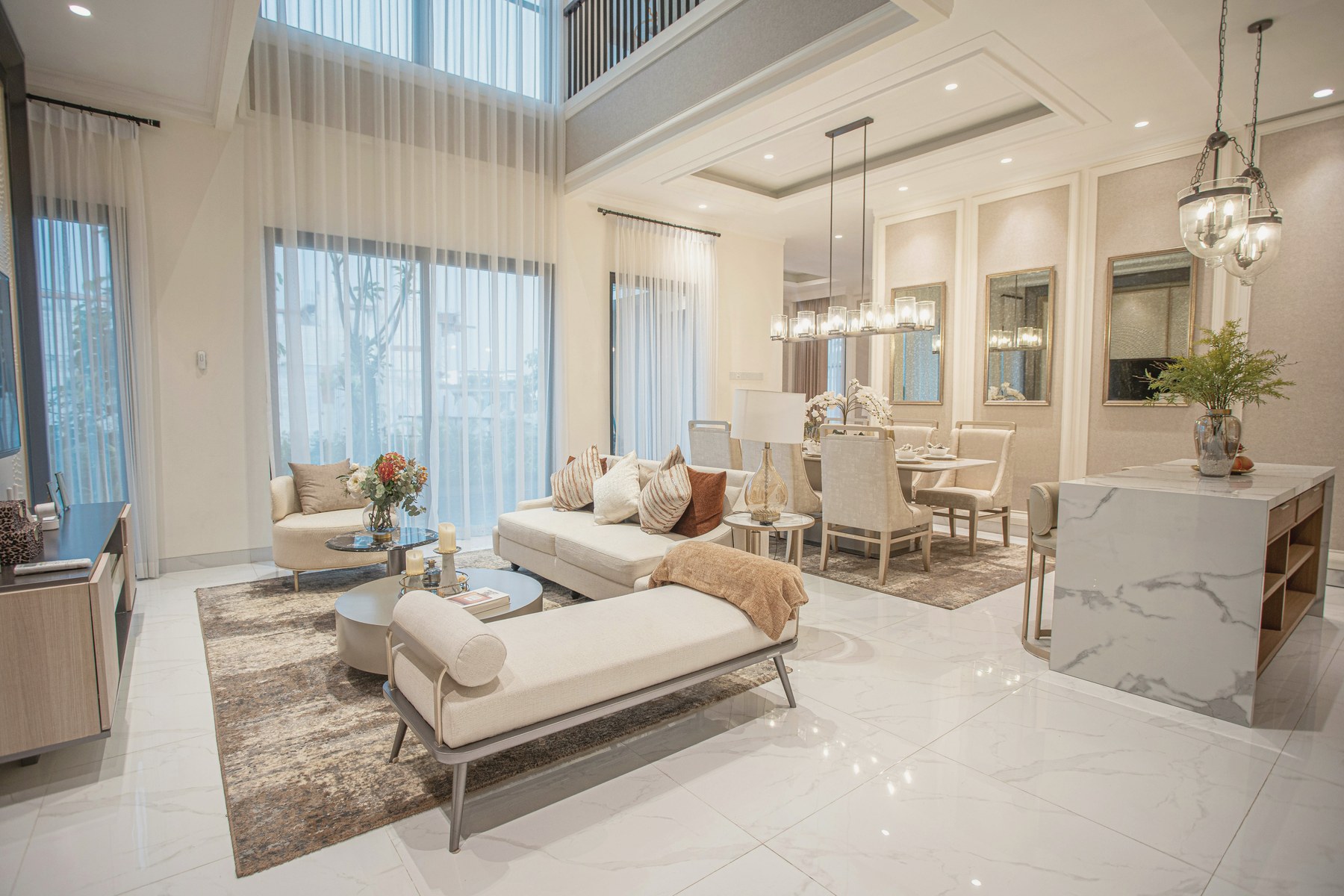
Several of the best performers are decided long before anyone moves in. A garden path that is easy to reach. A bathroom laid out to prevent a fall. A lounge where people actually want to linger. These are design choices, and the report goes so far as to describe architecture as a kind of prescription, delivered through daylight, quiet, fresh air and views of green.
In other words, wellness cannot be bolted on after the builders leave. It has to be drawn in from the start.
The industry is already changing course
The shift is under way. In the council's own research, 71 percent of senior living operators said they expect to call themselves wellness-based communities by 2030. Baby boomers, and Generation X close behind, treat health and independence as a starting point, not an upgrade. Investors increasingly want to see results.
The communities that thrive, the research suggests, will not necessarily be the ones with the most expensive amenities. They will be the ones that give people a purpose, a circle of friends and a safe way out the front door.
Good days, it turns out, add up
It is an encouraging conclusion, and a modest one. The most valuable things in later life have rarely been the most expensive. Now, at last, there are numbers to prove it.