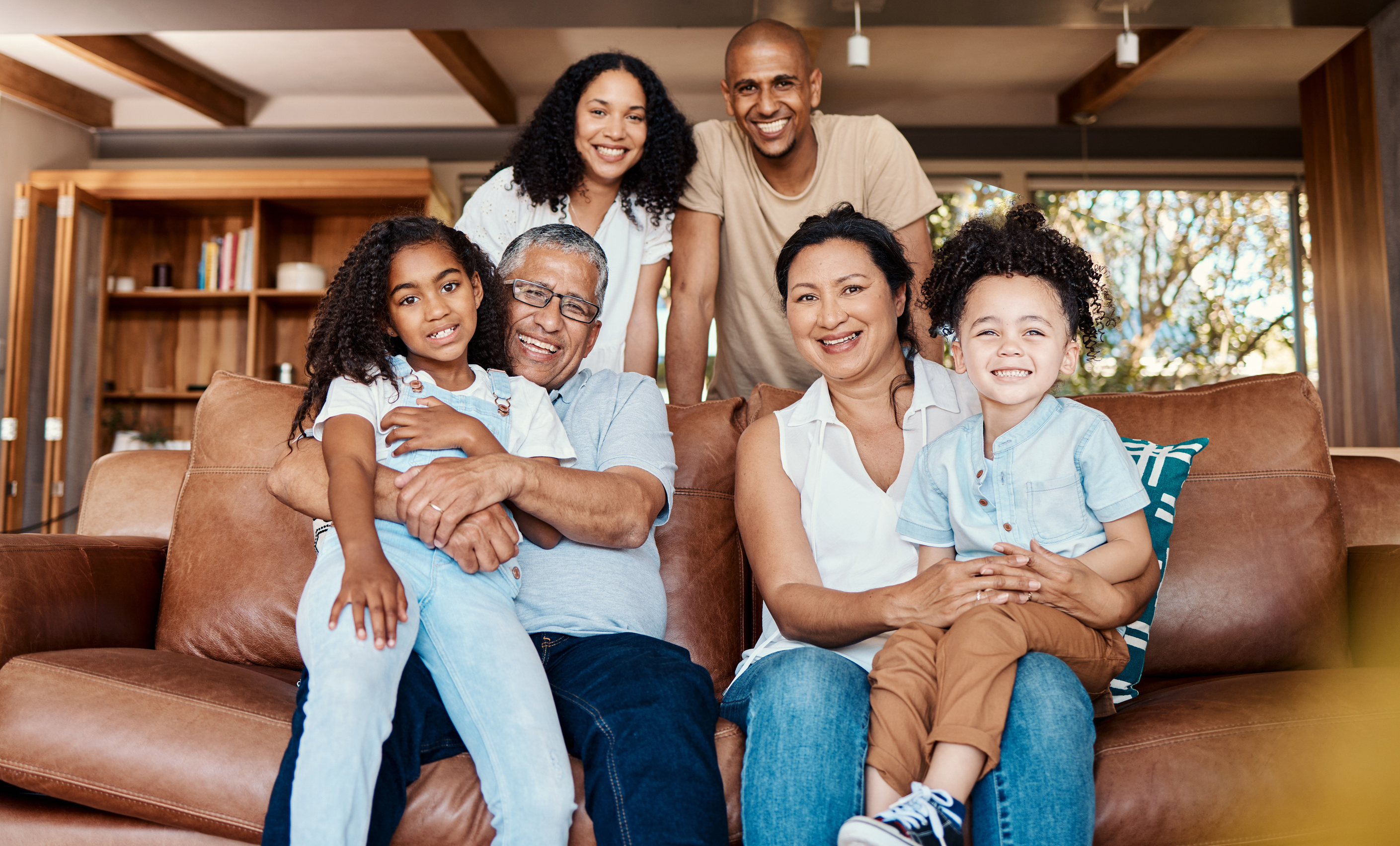
The case for mixed-age neighborhoods and campus-connected living.
In brief
Loneliness is a real health risk, and community design can help reverse it.
People of every age thrive when they have something to learn and something to give.
Connection works best when it is built into everyday life, not just the events calendar.
Separating people by age is a fairly recent idea. For most of history, children, parents and grandparents shared streets, meals and work. Age-specific housing brought real benefits, including safety and support services. But it also created a world where many older adults rarely spend time with anyone much younger. A growing number of communities are rediscovering why mixing generations matters.
Loneliness is a health risk, not just a feeling
In 2023, the U.S. Surgeon General issued an advisory on loneliness and isolation. It compared the health risks of being disconnected to smoking up to 15 cigarettes a day. It also linked isolation to heart disease, stroke, depression and dementia.
Later life carries particular risk. Careers end. Friends move away. Getting around becomes harder. A community can deepen that isolation, or it can help reverse it.
People thrive when they have something to give
Psychologist Erik Erikson described a stage of adult life focused on passing something on to the next generation. Research on aging consistently links a sense of purpose with better wellbeing. Mixed-age communities give that urge somewhere to go. A retired engineer mentors students. A former teacher tutors children after school. Both sides gain.
The richest communities are the ones where everyone has something to teach and something to learn.
Campus communities make learning part of daily life
University-based retirement communities connect residents with classes, lectures, libraries and campus events. Some go further. At Lasell Village, on the campus of Lasell University in Massachusetts, residents complete hundreds of hours of learning each year.
Universities benefit too. These communities strengthen ties with alumni and retired faculty. They can create a new source of revenue. Faculty in nursing, architecture, business and other fields gain willing partners for teaching and research. Students gain mentors and real-world perspective. Everyone involved comes away with something they could not easily find on their own.
Campus partnerships only work when campus is close
The strongest partnerships go beyond a shared logo. Residents can audit classes. Faculty involve them in teaching and research. Students visit regularly. Clear agreements on land, governance and finances protect everyone.
Location decides a great deal. A community that is a long drive from campus will struggle to create daily connection. Walking distance makes it easy.
Easy access to classes, lectures and libraries
Ways for residents to teach and mentor, not just attend
Regular student involvement in community life
Walking distance, or frequent shuttles, to campus
Design for everyday encounters, not just events
Lasting relationships grow from small, repeated moments. Neighbors share a table at the morning cafe. Families tend a garden side by side. Children wave from the playground to the same residents every afternoon.
Shared cafes, gardens and workshops create these moments naturally, especially when childcare, student housing or family homes are close by. Programs such as tutoring and shared meals then help those encounters grow into friendships.
The best programs let every generation give and receive
Mixed-age programs work best when everyone contributes. Older adults should not only receive help, and young people should not only volunteer. Mentoring, shared gardening, storytelling projects, mixed-age choirs and cooking clubs where residents teach family recipes all let each generation bring something real.
This balance also keeps programs alive. When both sides look forward to the time together, participation grows on its own. When one side feels like a charity case, interest fades fast.
Many cultures never stopped living together
Mixed-age living takes many forms around the world. Some care homes in the Netherlands have offered students low-cost rooms in exchange for time spent with older neighbors. Several countries place childcare centers inside senior housing. Cohousing communities design shared kitchens and gardens to bring ages together.
In many cultures, multigenerational households never went away. Communities there may need to support family ties rather than replace them.
Technology works best as a bridge
Pairing students with residents for help with phones, video calls and online services builds practical skills. Those sessions often turn into friendships. Video calls keep residents close to faraway grandchildren, and online lectures extend learning. The goal is fewer lonely days, not more screen time.
Staff are part of the mix too
The people who work in a community are part of its daily life, and many are much younger than the residents they support. The bonds they form are among the most meaningful there. Invite staff families to events. Celebrate staff milestones alongside resident ones. Give team members time to simply sit and talk.
Mixed ages still need quiet places
Different generations keep different hours and have different ideas about noise and privacy. Place quieter homes away from playgrounds. Give shared spaces calmer and livelier times of day. Let residents of every age help decide how the community runs. Everyone needs a place to retreat as well as a place to gather.
If connection improves health, measure it
Communities can track who takes part in mixed-age programs. They can use short, proven surveys to measure loneliness and wellbeing. They can also gather stories: the friendships formed, the mentoring that lasted, the resident who found new purpose. That evidence helps operators improve, and it makes a strong case to partners and investors.
Done well, these communities offer what no amenity can: a reason to get up in the morning, something new to learn and someone who is glad to see you.