What a shaded walkway, a warm greeting and a glass of water say about a community before anyone speaks.
For many people, visiting a community is not a casual tour. It may be the first time they seriously imagine leaving a home of forty years. Moving later in life can bring grief, worry about independence and fear of not fitting in. The first ten minutes of a visit are where that stress either eases or grows. Almost everything about those minutes can be designed.
In brief
A first visit is often the start of one of the biggest decisions of later life.
The first ten minutes set the emotional tone long before anyone mentions price.
Small, thoughtful details at arrival preview the comfort of every day that follows.
The visit begins before anyone gets in the car
The arrival experience starts at the first phone call. When someone asks to visit, they are often nervous. A warm, simple reply does more than a brochure ever could. Confirm the time. Offer parking help. Send simple directions. Say who will greet them by name. This first contact should be short, personal and reassuring. It should explain where to park and who will meet them. A calm visit begins with a calm plan.
Let people arrive at their own pace
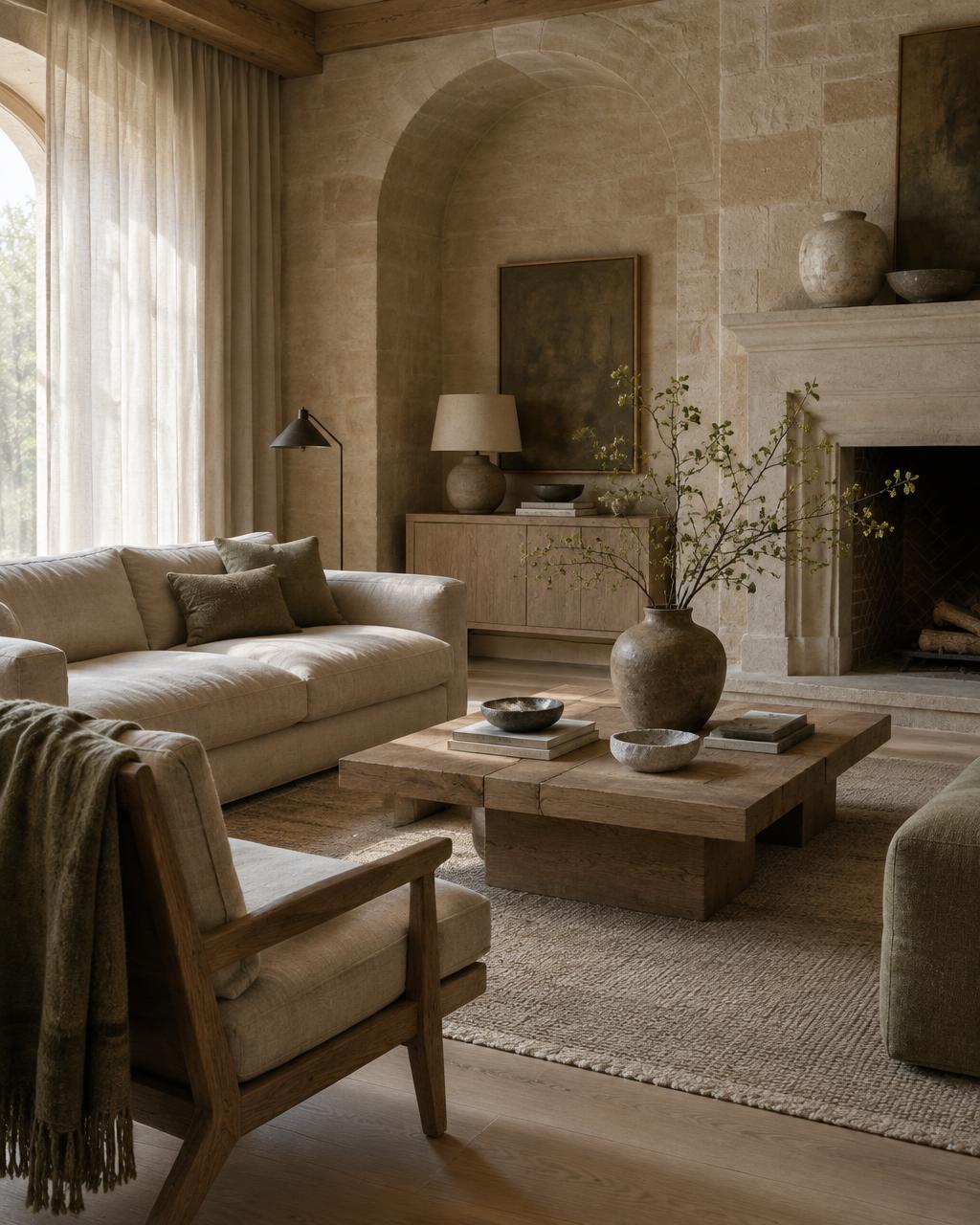
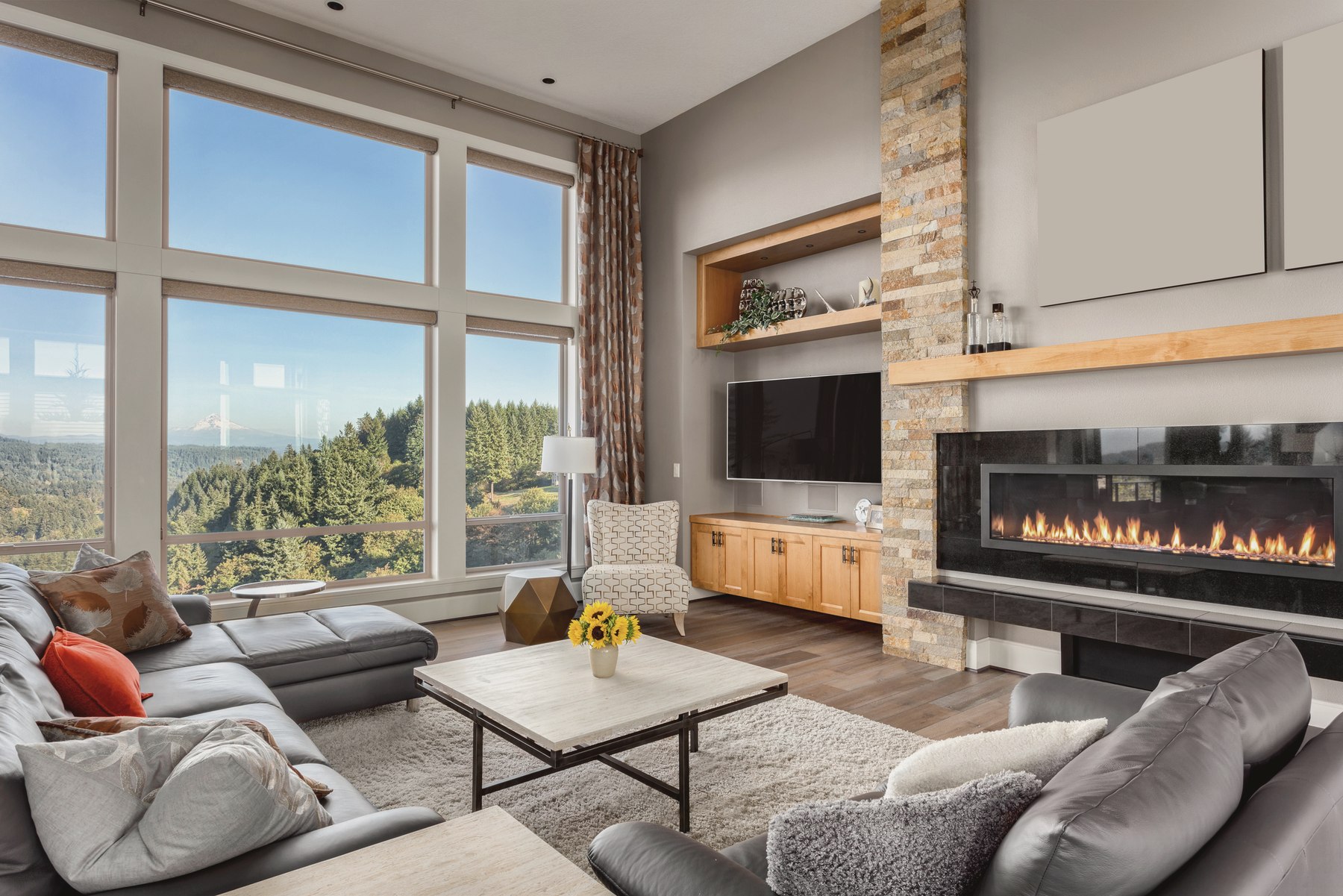
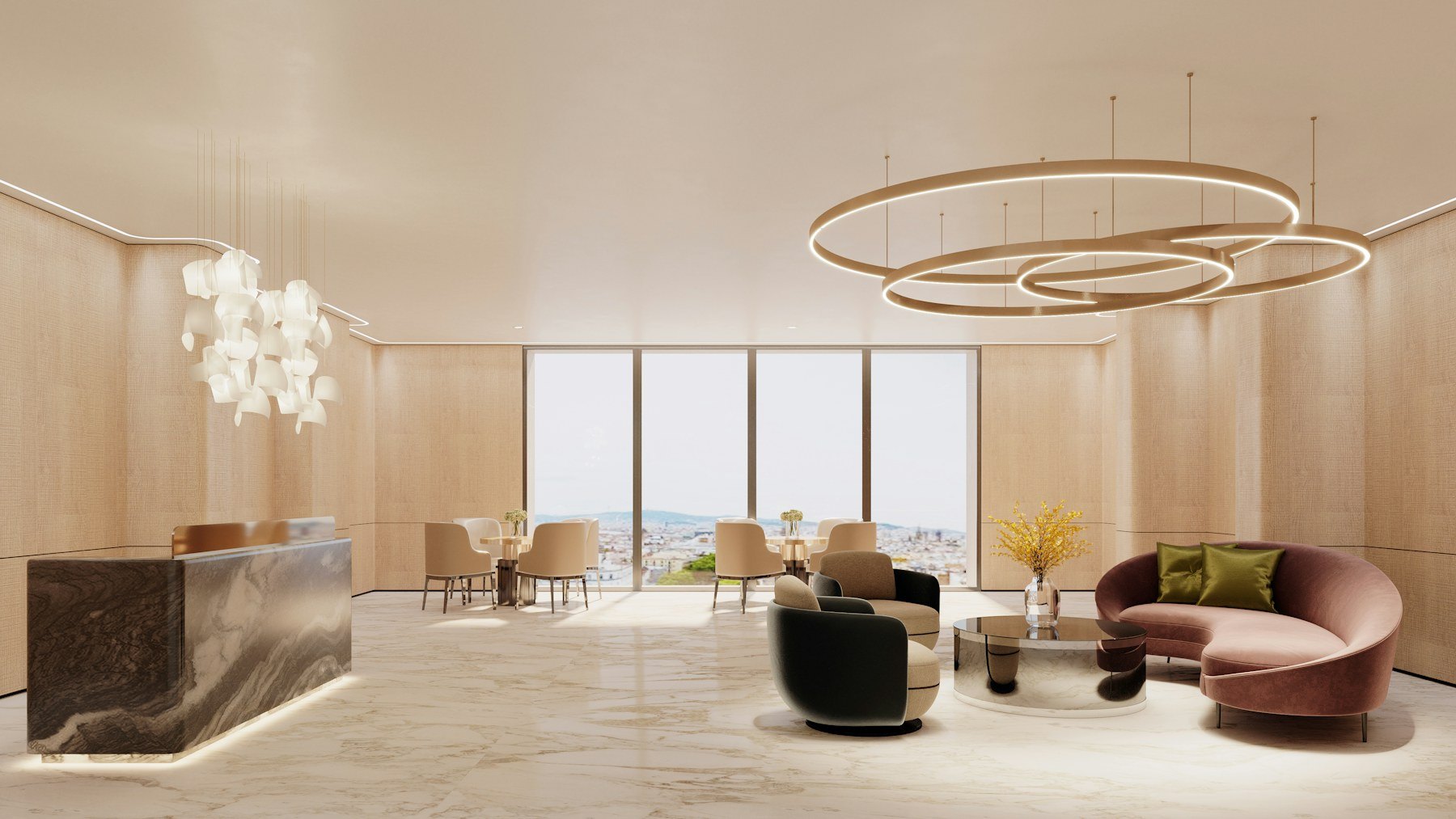
Some visitors want to talk right away. Others want time to look around. Many older adults prefer to walk slowly and see how the place feels. Give them space to do that. Do not lead with a long lecture. Do not start with paperwork. Let people settle. A quiet lobby, soft music and natural light help people exhale. So does a staff member who says, take your time, I am here when you are ready.
Greet the person who is considering the move
Too often, visitors are greeted by the adult child or the real estate agent, not by the older adult. This is a mistake. The person who is moving should be welcomed by name, with a handshake or a warm hello. Eye contact matters. So does tone. Speak to the person, not about them. Address their questions directly, even if their hearing is limited or their pace is slow. Respect begins with attention.
People decide how a place feels long before they hear the price.
Doors, light and pace say more than any brochure
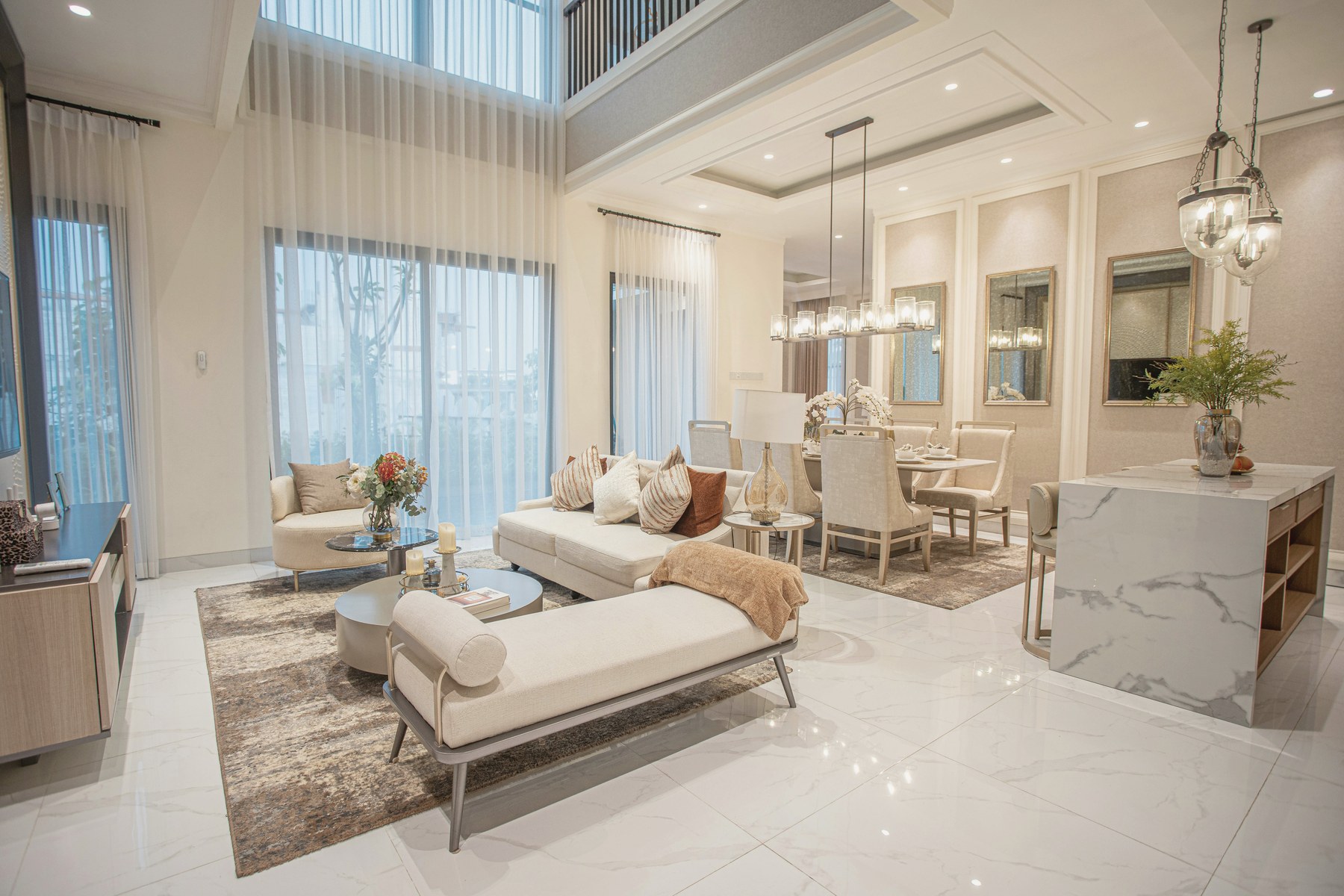
Physical details matter more than most operators realize. Doors should open easily or automatically. Hallways should be wide and well lit. Signage should be large, clear and easy to follow. Music should never be too loud. Fragrance should be neutral or absent. Seating should be available in every waiting area, with arms for easy rising. Walking surfaces should be level, dry and non-slip. A visitor notices these things, even if they never mention them.
Offer comfort before the tour
Before any tour begins, offer comfort. A glass of water, a cup of coffee or a seat by the window tells the visitor that their needs come first. It also shows how the community treats people every day, not only on tour days. Offer a rest stop if the visit will be long. Ask if they would like to use the restroom before walking. These small gestures reduce stress and signal dignity.
A seat with arms, offered first
Water, coffee or tea without being asked
Fresh air, with no heavy fragrance
Listen first, then show what matters to them
Ask the visitor what they would like to see. Do not assume. Some people care most about the dining room. Some want to see the garden. Some want to know how staff respond at night. A good tour follows the visitor's curiosity. It does not march through a checklist. When a community listens first, the visitor feels respected. They also reveal what worries them, which helps staff answer the right questions.
Give adult children their own time to ask hard questions
Adult children often carry silent worries. Cost. Safety. Staff turnover. What happens when Mom needs more care. Give them a way to ask. Offer to follow up by phone. Provide a printed list of what is included. Do not force the whole family to have every conversation in front of the older adult. A short, private call later builds trust with the whole family.
End without pressure
A first visit should end calmly. Thank the visitor by name. Walk them to the car. Offer a small takeaway, such as a printed schedule, a recipe from the kitchen or a photo of a resident event. Invite them back for a meal or an activity. Do not push for a decision. The goal of a first visit is a good memory, not a signed lease.
Move-in day is the second arrival
Arrival does not end with a visit. Move-in day is the second arrival, and it carries the same emotional weight. Have the room ready. Have the name on the door. Have staff waiting to greet the person by name. Have lunch held or offered. Small gestures on move-in day matter enormously. They confirm the promise made during the visit.
The first weeks matter as much as the first visit
In the first weeks, check in often. Introduce neighbors. Invite the resident to activities that match their interests. Ask about sleep, appetite and mood. Watch for quiet withdrawal. Most importantly, train every department to see arrival as a continuing process, not a single event.
Walk your own arrival, in every season
Communities rarely experience their own arrival the way a first-time visitor does. Walk it. Feel it. Then fix what feels slow, confusing or cold.
Map every step from first call to follow-up, and give each step an owner
Train front desk and dining staff in the welcome, not just the sales team
Walk the route at different times of day and in different weather
Ask recent residents what nearly put them off