Why healthy buildings matter more as we age, and the simple steps that make a difference.
In brief
Most people spend about 90 percent of their time indoors, and many older adults even more.
With age, people often become more sensitive to what is in the air around them.
Clean air, safe materials and daylight are the first wellness program any community offers.
Wellness programs get most of the attention: fitness classes, healthy menus, meditation. They matter. But the most constant influence on residents' health is the building itself. According to the U.S. Environmental Protection Agency, most people spend about 90 percent of their time indoors. Many older adults spend even more. The air they breathe, the materials around them and the light they live in shape their health every hour of every day.
Indoor air matters more as we age
Our lungs and immune systems change with age. Common conditions such as asthma, COPD and heart disease add to that sensitivity. As a result, older adults can react more strongly to fine dust, chemical fumes and mold. Poor indoor air has been linked to breathing problems, headaches and poor sleep. For someone who spends most of the day in one building, small exposures add up.
Start with fresh, filtered air
Good ventilation brings in enough outdoor air for the number of people inside. Good filters trap fine particles, which matters on smoky or high-pollution days. Humidity should stay in a healthy middle range. Air that is too dry irritates the throat and eyes. Air that is too damp invites mold. These are the basics, yet many buildings designed mainly to save energy fall short.
Filtered outdoor air delivered to every room
Filters changed on schedule
Humidity kept in a healthy range
Kitchen and bathroom fans that vent outdoors
You cannot manage what you do not measure
Air quality is invisible, which makes it easy to ignore. Affordable sensors can now track it. Carbon dioxide levels show whether ventilation is keeping up with the people in a room. Sensors can also track dust, temperature and humidity. Placing them in dining rooms and activity spaces gives operators real information. Sharing the readings with residents builds trust.
Healthy materials prevent problems from day one
New paint, glue, flooring, furniture and mattresses can release chemicals into the air. Choose products certified as low-emitting. Run the ventilation hard before residents move in. Schedule repainting and renovations so no one has to live with fresh fumes. These steps cost little, and they protect people when exposure is highest.
Fragrance-free cleaning is an easy win
Even a well-built home can fill with irritants every day from scented cleaners, sprays and plug-in air fresheners. Switching to fragrance-free, low-toxicity products is simple and affordable. It also makes a community more welcoming for people with asthma, migraines or chemical sensitivities. A clear, friendly explanation, framed around the neighbors it protects, helps residents and families embrace the policy.
Healthy buildings make healthy residents, quietly, every hour of the day.
Clean air may help people think more clearly
A widely cited Harvard study found that office workers made better decisions in well-ventilated rooms with less carbon dioxide and fewer chemical fumes. Most of this research involves younger adults, and it is still developing. But the idea is intuitive. A stuffy room makes everyone sluggish. For residents who spend most of the day indoors, fresh air is part of feeling like themselves.
Cleaner cooking and comfortable temperatures matter too
Gas stoves can release fumes and fine particles. Induction cooktops are a cleaner and safer choice. Temperature matters as well. Many older adults feel cold more easily than younger people, yet they are also more vulnerable to heat. Give every home its own thermostat, and have a plan for heat waves.
Keep a close eye on moisture and water
Large buildings need careful plumbing design and upkeep to prevent bacteria such as Legionella, which is especially risky for older adults. Hidden leaks and condensation can lead to mold. Regular inspections and fast repairs protect both residents and the building.
Staff are the first line of defense
Housekeepers, maintenance staff and caregivers are often the first to notice a musty smell, a fan that has stopped working or a resident who seems short of breath. Train them to spot and report these issues, and respond quickly when they do. That is how a healthy building plan becomes an everyday habit.
Good air is mostly about habits, not big budgets
Many of the most effective steps are routine. Change filters on time. Keep exhaust fans working. Air out homes after painting. Fix leaks fast. Older buildings can often be improved with better filters, portable air purifiers in key rooms and smarter ventilation controls.
A short yearly review of air, water, materials and cleaning keeps these standards from slipping as staff and suppliers change. Write the standards down and share them with residents.
Healthy buildings are nicer places to live
Healthy air is not only about avoiding harm. Stuffy rooms, lingering odors and air that is too dry or too damp affect how people feel and sleep. A lounge that smells fresh and feels comfortable fills up. One that feels stale empties out. Families notice too. A building that smells clean, rather than perfumed or medicinal, tells them their parent is well cared for.
Daylight and nature belong in the plan
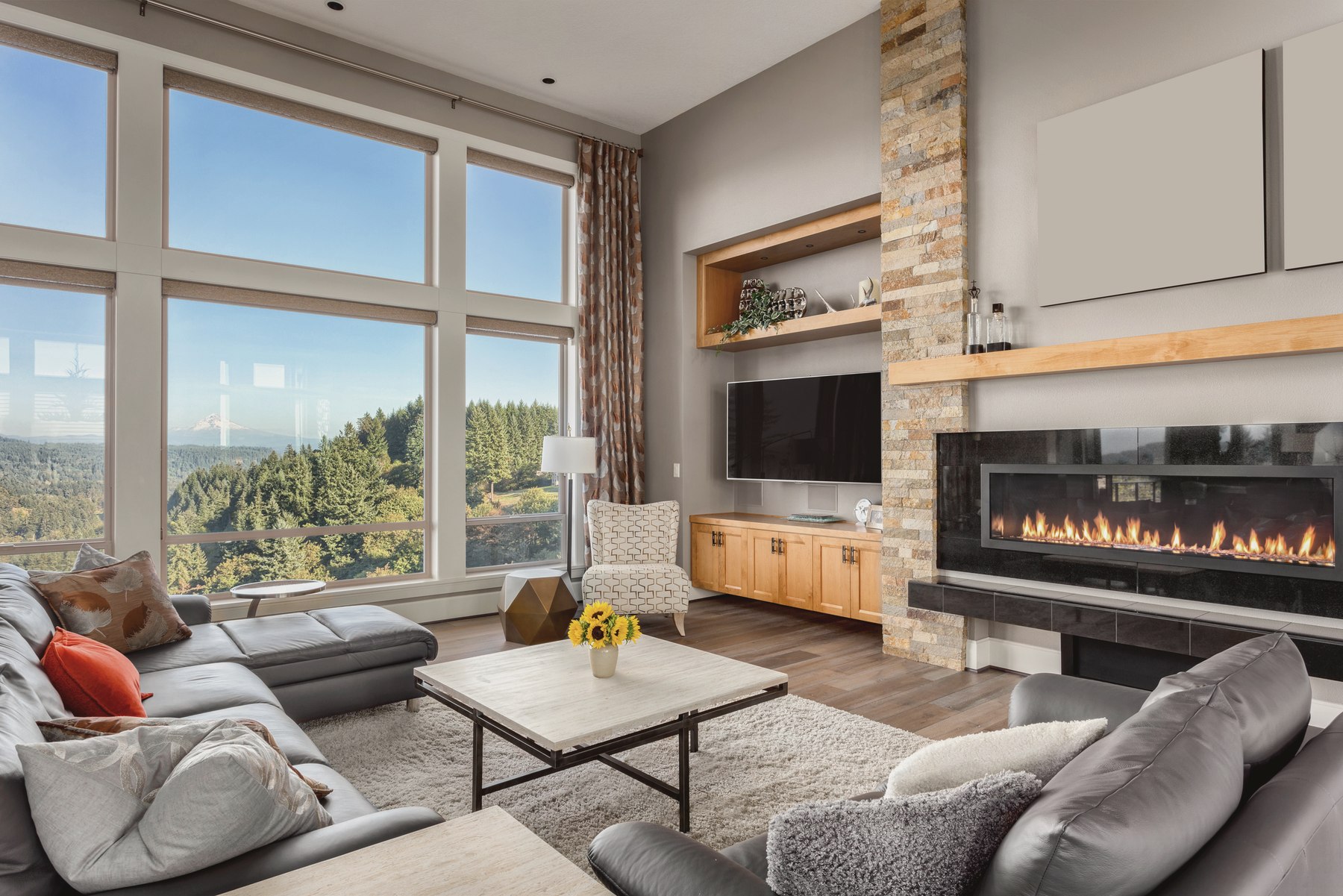
Daylight helps set the body clock, which supports sleep and mood. Views of trees and water, and easy access to gardens, are linked to lower stress. Frameworks such as WELL and Fitwel can help owners plan and measure all of this, whether or not they seek certification.
Residents may never notice clean air. They will notice that they sleep better, breathe easier and feel at home.