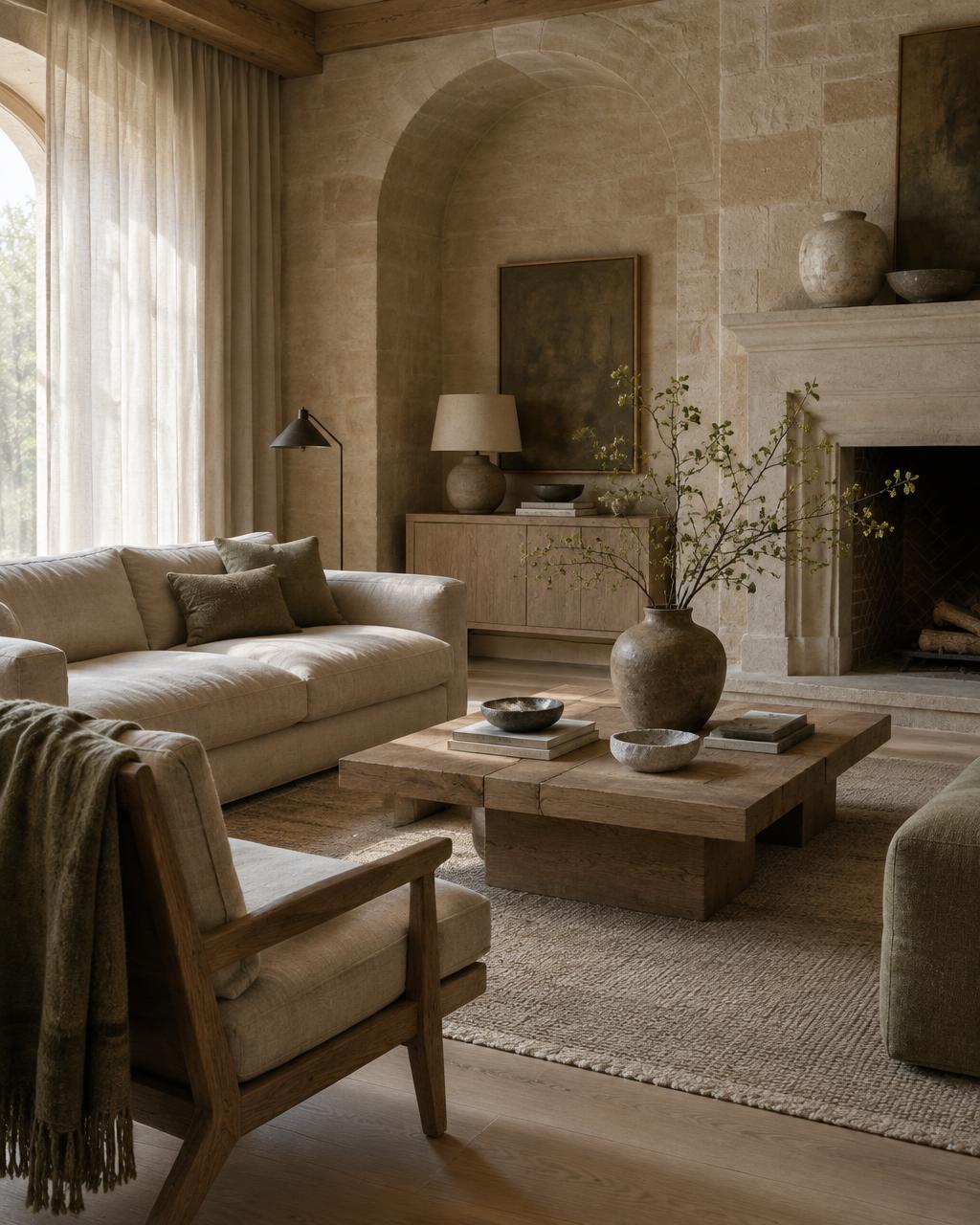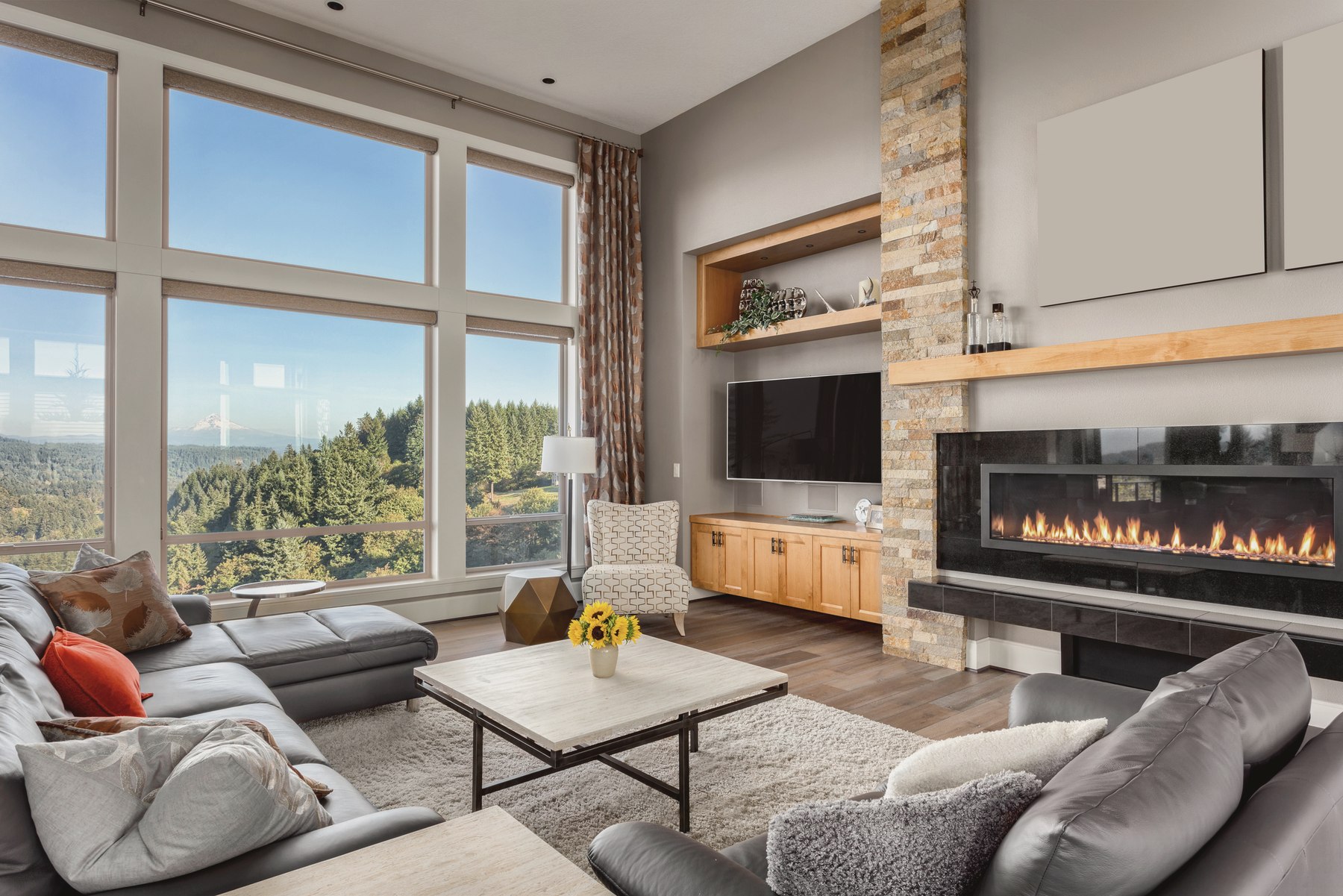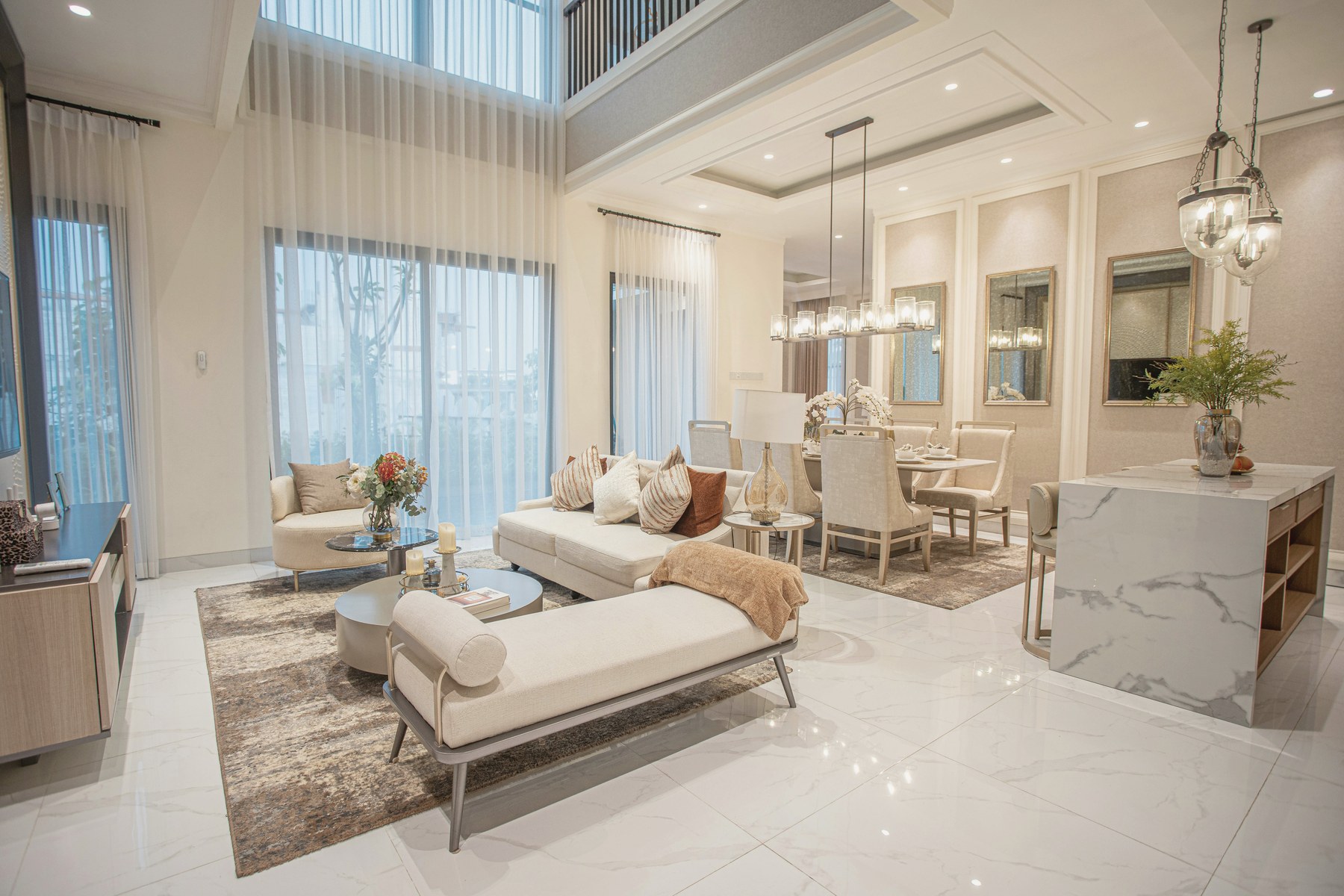
How the warmth of a great hotel and the reassurance of good care can share one building.
In brief
Residents should feel like guests, with care close at hand.
Everyday words and small rituals shape culture more than any policy manual.
Resident experience can never rise above staff experience.
For decades, senior living borrowed its playbook from healthcare. Hallways looked like hospital wards. Schedules suited the staff. Residents were often described by their diagnoses. Hospitality offers a different idea: people should feel welcomed, known and cared for as guests. The best communities blend both traditions. The craft is in the blend.
Let care lead on safety, and hospitality lead on everything else
Healthcare is built around risk, protocol and paperwork. Hospitality is built around warmth, discretion and personal preference. When the two meet without a plan, healthcare tends to win by default. The building that looked like a hotel in the brochure starts to feel like a clinic by the second week.
Strong communities draw the line on purpose. Clinical standards lead on medication, infection control and emergencies. Hospitality leads on everything residents experience day to day: how they are greeted, how their day unfolds, how they are spoken to and what the team remembers about them.
Care should be close at hand, but out of sight
Good care is there the moment it is needed and invisible when it is not. Medications can be delivered quietly at home instead of from a cart in the hallway. Call buttons can be worn like a pendant instead of mounted on the wall. Nurses can wear the same thoughtful uniforms as the front desk team.
None of this lowers the standard of care. It protects dignity. And residents who feel respected tend to speak up sooner when something about their health changes.
The words a team uses become the culture residents feel
Small changes in language add up. "Units" become homes. "Feeding" becomes dining. "Patients" become residents. A person is no longer "placed." They choose to move in. These changes cost nothing. Repeated thousands of times a day, they change how staff see the people they serve.
The same is true of signs, menus and move-in paperwork. A welcome guide written like a letter from a host tells a very different story than an admissions packet.
Hospitality is not a department. It is how every person on the team shows up.
Small rituals make a place feel like home
Great hotels run on small rituals. They remember your name, your favorite table and how you take your coffee. In a community where people stay for years, those rituals add up. A team that knows a resident was once a jazz pianist, or that she likes her window open at night, can shape each day around who she is, not just what she needs.
A short life story for every resident, shared with the people who support them
Dining hours that fit residents, not the other way around
Preferences remembered without being asked twice
Birthdays and milestones celebrated personally
Build each day around the person, not the schedule
Gerontologists call this person-centered care. It means organizing support around a person's history, values and routines rather than the building's convenience. Residents set their own wake-up and bedtime routines whenever it is safe to do so. Life stories gathered at move-in are actually used. Staff regularly ask a simple question: what does a good day look like for you?
It also means adapting when things change. A lifelong early riser may start sleeping later after an illness. A team that notices and adjusts, instead of insisting on the old routine, shows the kind of attention guests remember from great hotels.
The dining room is where it all comes together
Meals anchor the day, shape health and reveal a community's culture. Flexible hours signal respect. So do more than one place to eat, menus shaped with residents and special diets served as beautifully as everything else. Servers who notice who is eating less, or who is sitting alone, are providing hospitality and care in the same moment.
The front desk is the community's front porch
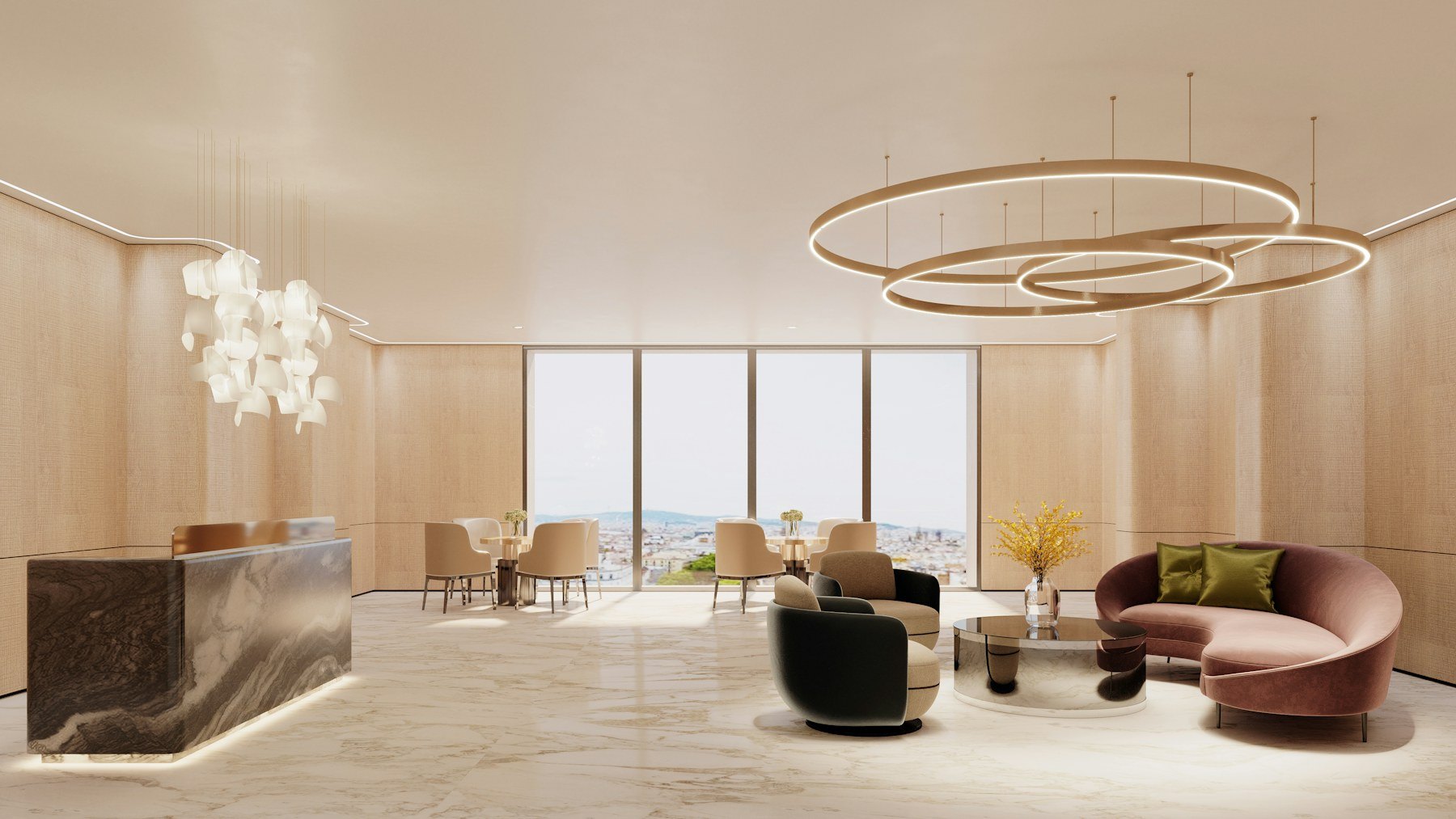
In a hotel, the lobby is a stage. In a living-well community, it is the front porch. A concierge who knows every resident by name, greets families warmly and notices when someone seems unwell is doing two jobs at once.
That role deserves real investment. Front desk staff are often among the least trained people in the building, yet they see residents more than almost anyone. Train them as hospitality professionals. Keep them informed. Let them solve small problems on the spot. The whole community will feel different.
Families are guests too
Many families carry worry, and sometimes guilt, about a parent's care. Small gestures help. Greet them by name. Make it easy for them to join a meal. Share good news as well as concerns. Give them one clear person to call. When families feel like welcome guests rather than visitors signing in, they become partners.
Measure care quality and how people feel
Healthcare tracks incidents and outcomes. Hospitality tracks satisfaction and loyalty. A good community tracks both, along with staff morale and turnover. Three simple questions reveal a great deal. Do residents feel known here? Would families recommend us to a close friend? Would staff recommend working here to someone they love?
Warmth depends on a supported team
Turnover in senior care is stubbornly high. Every departure breaks a relationship a resident relied on. Fair schedules, real career paths and training in both hospitality and person-centered care are not perks. Neither are leaders who know the night shift by name. Together, they are what makes a good community run. Teams who feel respected pass that respect on to residents.
A plan only counts if a care team can deliver it on a Tuesday night in February. That is where hospitality and care truly meet.