Why Egypt and the wider Middle East are ready for a new kind of community, and what it will take to get it right.
In brief
The Middle East is young today, but it is aging faster than most of the world.
Family is at the heart of care in the region, so new communities must support it, not replace it.
Egypt's Red Sea coast already has the sun, the hospitality talent and the resort towns to lead.
The Middle East and North Africa are often described as young. On average, they are. But the region is aging quickly, and the shift is already reshaping how families think about care, housing and later life. For developers, investors and governments, the question is no longer whether demand will come. It is whether the right kind of community will be ready when it does.
The region is young today, but aging fast
Egypt is a good example. According to the country's statistics agency, CAPMAS, about 6.9 million Egyptians were 60 or older in 2022. That was roughly 6.6 percent of the population. United Nations projections cited by Egypt's Ministry of Health put the figure at around 22 million by 2050, or nearly 14 percent of a much larger country.
The Gulf is moving even faster. In Saudi Arabia, people 65 and older made up just 3.6 percent of the population in 2023. One recent analysis expects that share to reach about 20 percent by 2050. Few places in the world will age so quickly in a single generation.
Today's options do not match tomorrow's need
Across much of the region, formal choices for later life are thin. In 2022, CAPMAS counted 167 elder care homes in Egypt serving fewer than 3,000 residents. That is a tiny number for a country with nearly seven million older adults.
Most older Egyptians live with or near family, as they always have. But family life is changing. Adult children move to Cairo, the Gulf or Europe for work. Households are smaller. Women, who have traditionally provided most care at home, are working in greater numbers. The gap between what families want for their parents and what is available keeps growing.
In this region, the best community will not replace the family. It will make the family's job easier.
Design around the family, not away from it
Respect for elders runs deep across the Middle East. Many families feel that moving a parent into a "home" means they have failed. A model copied directly from the United States or Europe will struggle here.
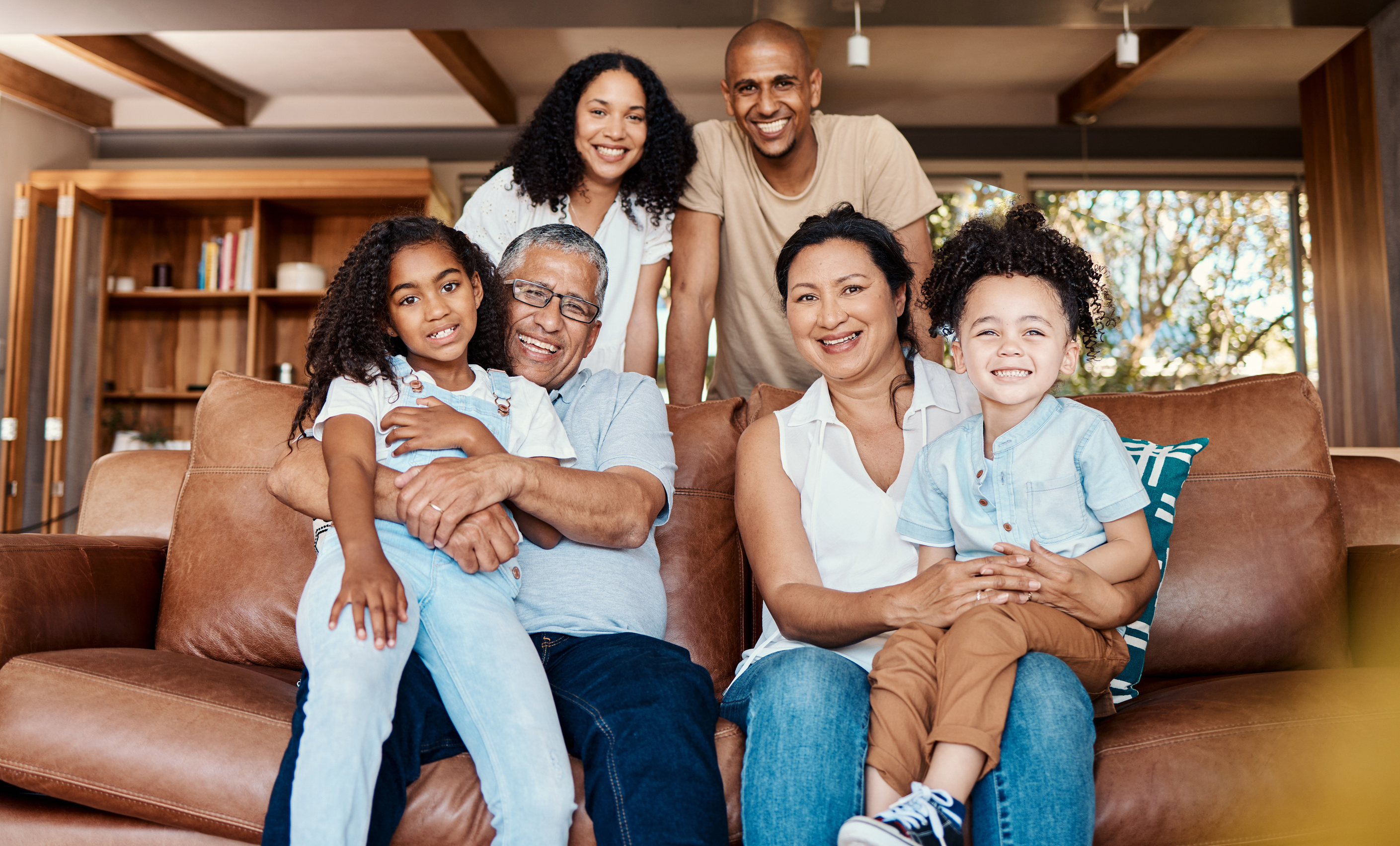
The communities that succeed will put family at the center. That can mean guest suites so children and grandchildren can stay overnight. It can mean apartments large enough for a parent and a live-in helper. It can mean welcoming dining rooms for weekend family meals, and care plans that include relatives in decisions. Marketing should speak to families as partners, not as people handing off a responsibility.
Guest suites and family dining spaces built into the plan
Homes that work for a parent plus a caregiver or adult child
Care planning that includes family from the first conversation
Language that celebrates the choice, not the move
Culture belongs in every detail
Good design here reflects daily life. Prayer rooms and clear orientation toward Mecca. Halal kitchens and menus built around familiar dishes. Arabic-speaking staff and signage. Thoughtful options for privacy, including care from same-gender caregivers where residents prefer it. Calendars that celebrate Ramadan, Eid and national holidays with the same energy as birthdays.
None of these are add-ons. They are the difference between a building that feels foreign and one that feels like home.
The Red Sea coast is a natural fit for longevity living
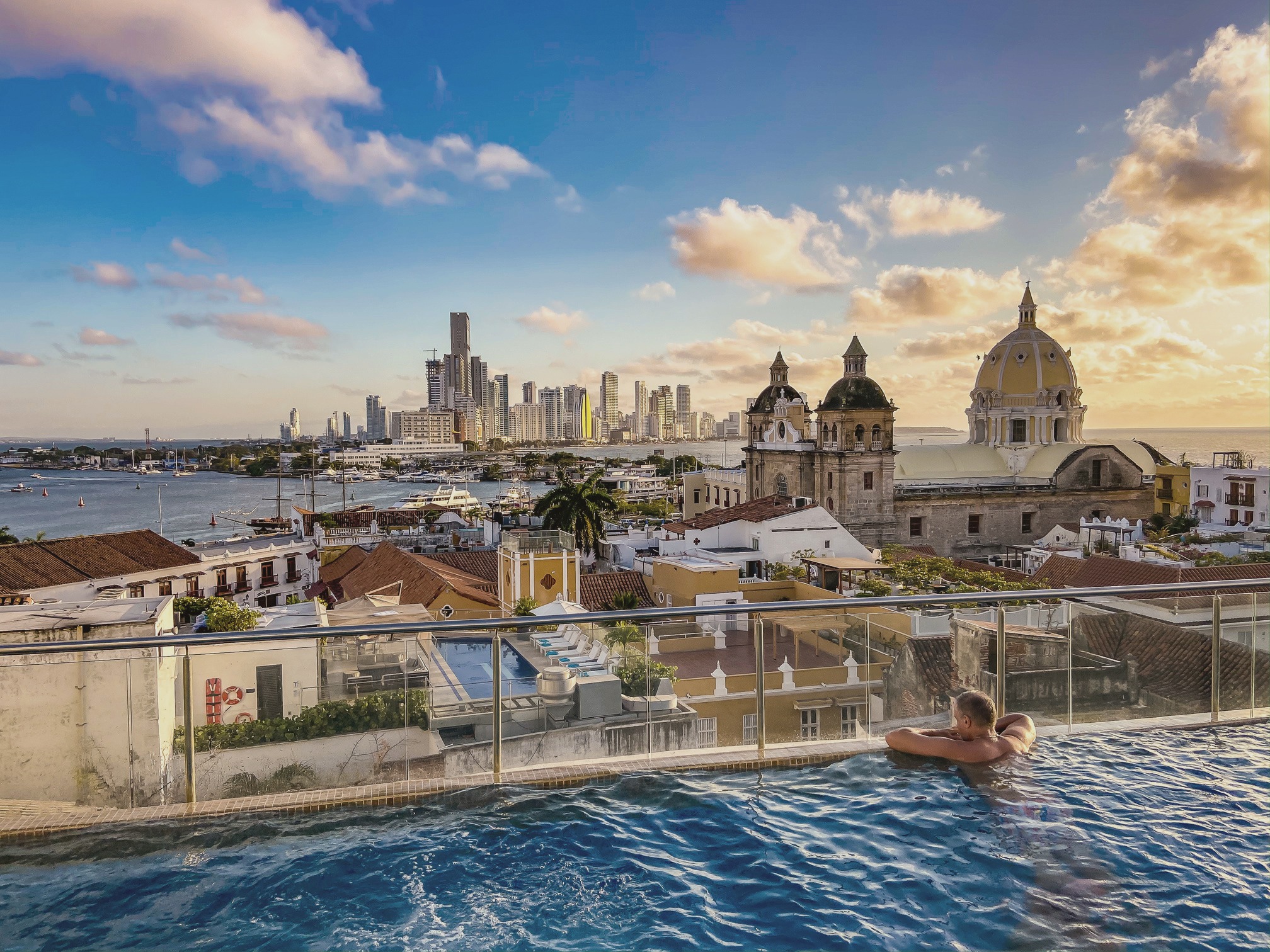
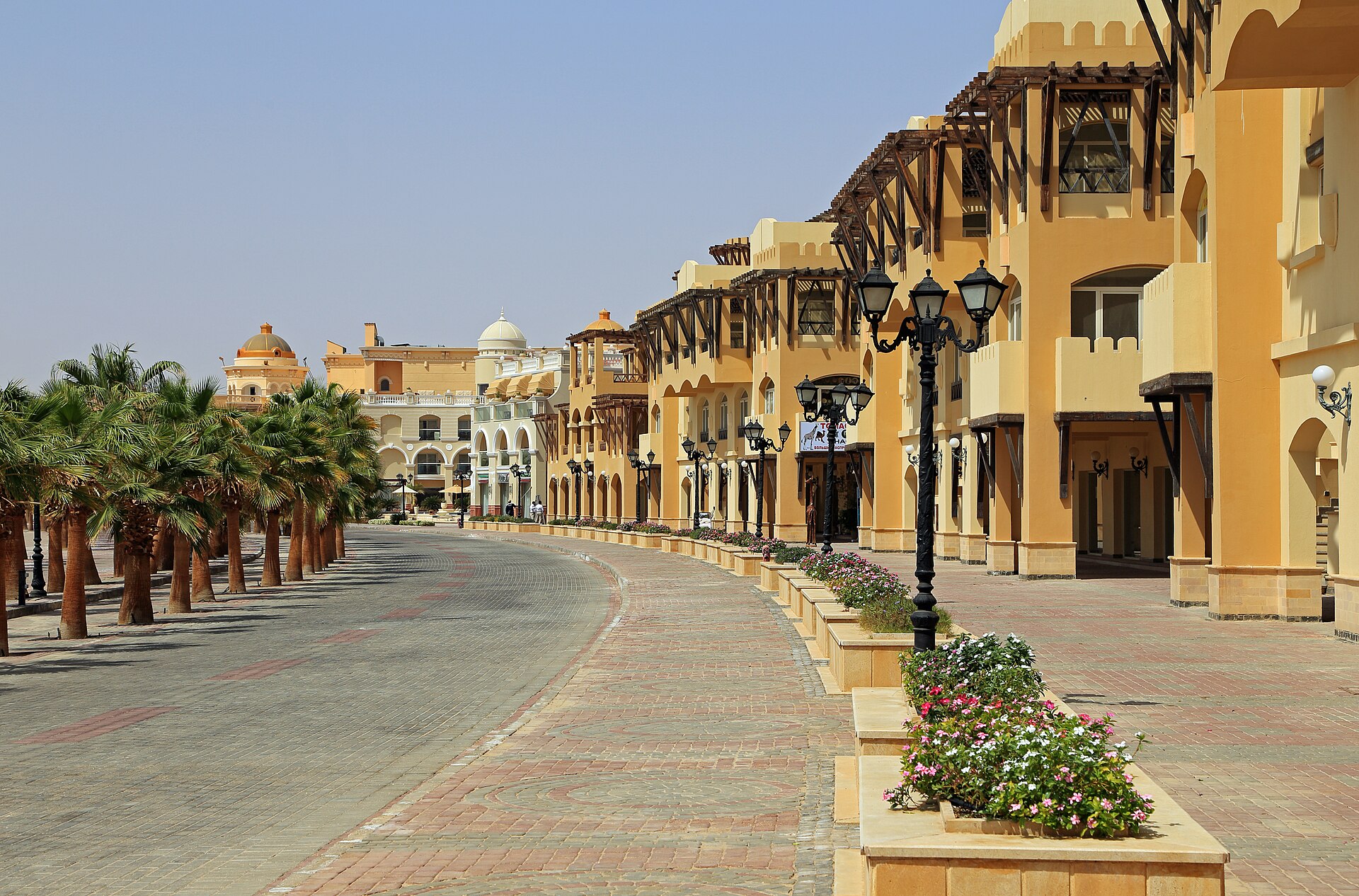
Egypt's Red Sea coast already has many of the ingredients. There is year-round sunshine, clear water and a calm pace of life. Established towns such as El Gouna, Soma Bay and Sahl Hasheesh offer marinas, golf, clinics and international schools. Many Europeans already winter there, and some have moved for good.
The wider region is investing heavily in wellness, too. The Global Wellness Institute reported in 2025 that the UAE's wellness economy has reached about $41 billion, with wellness tourism growing more than 20 percent a year. The UAE now offers a five-year residency visa for retirees 55 and older. Demand for places to live well, not just vacation well, is clearly rising.
Design for heat as carefully as for views
The Red Sea's greatest asset is also its biggest design challenge. Summers are long and hot, and older adults are more vulnerable to heat than younger people. Shade, cross-ventilation, cool outdoor rooms and efficient cooling are essential, not optional. So are shaded walking paths, morning and evening activity schedules and a clear plan for extreme heat days.
The traditional architecture of the region already offers lessons. Courtyards, deep shade, thick walls and wind towers kept people comfortable for centuries. The best new communities will borrow from that wisdom rather than rely on glass and air conditioning alone.
Health care must be close and credible
For families and international buyers alike, the first question is often, "What happens if I get sick?" Communities on the coast need strong partnerships with hospitals, specialists and emergency services. Telemedicine links to major medical centers in Cairo and abroad can help. So can on-site wellness clinics focused on prevention, rehabilitation and chronic disease management.
Clear, honest answers about medical access build trust faster than any brochure.
Egypt's hospitality talent is a head start
Egypt has a large and experienced hospitality workforce. Decades of tourism along the Red Sea and the Nile have produced managers, chefs, concierges and service staff who know how to make guests feel welcome.
That is a real advantage. What is often missing is training in care: understanding aging, supporting people with memory changes and blending service with clinical safety. Investing in that training, and in clear career paths, turns a strong tourism workforce into a strong senior living workforce.
Serve more than one market, carefully
Red Sea communities may attract several groups at once: Egyptian families, Gulf residents seeking a second home, and Europeans looking for sunshine and value. Each group has different expectations about price, ownership, language and care. Trying to please everyone with one product rarely works.
The smartest projects decide early who they are for. They may mix home types or phases to serve more than one group. But the culture, service and care model should feel clear and consistent to everyone who lives there.
Local, never imported
The Middle East does not need a copy of a community in Florida or Spain. It needs places shaped by its own families, faith, climate and hospitality traditions, supported by the best of what the rest of the world has learned. The demand is coming. The opportunity is to meet it with communities that people in the region will be proud to call home.