Europe is closing its passport-for-property doors while the Gulf, Asia and Latin America keep theirs open. What that means for anyone building a place to live well for decades.
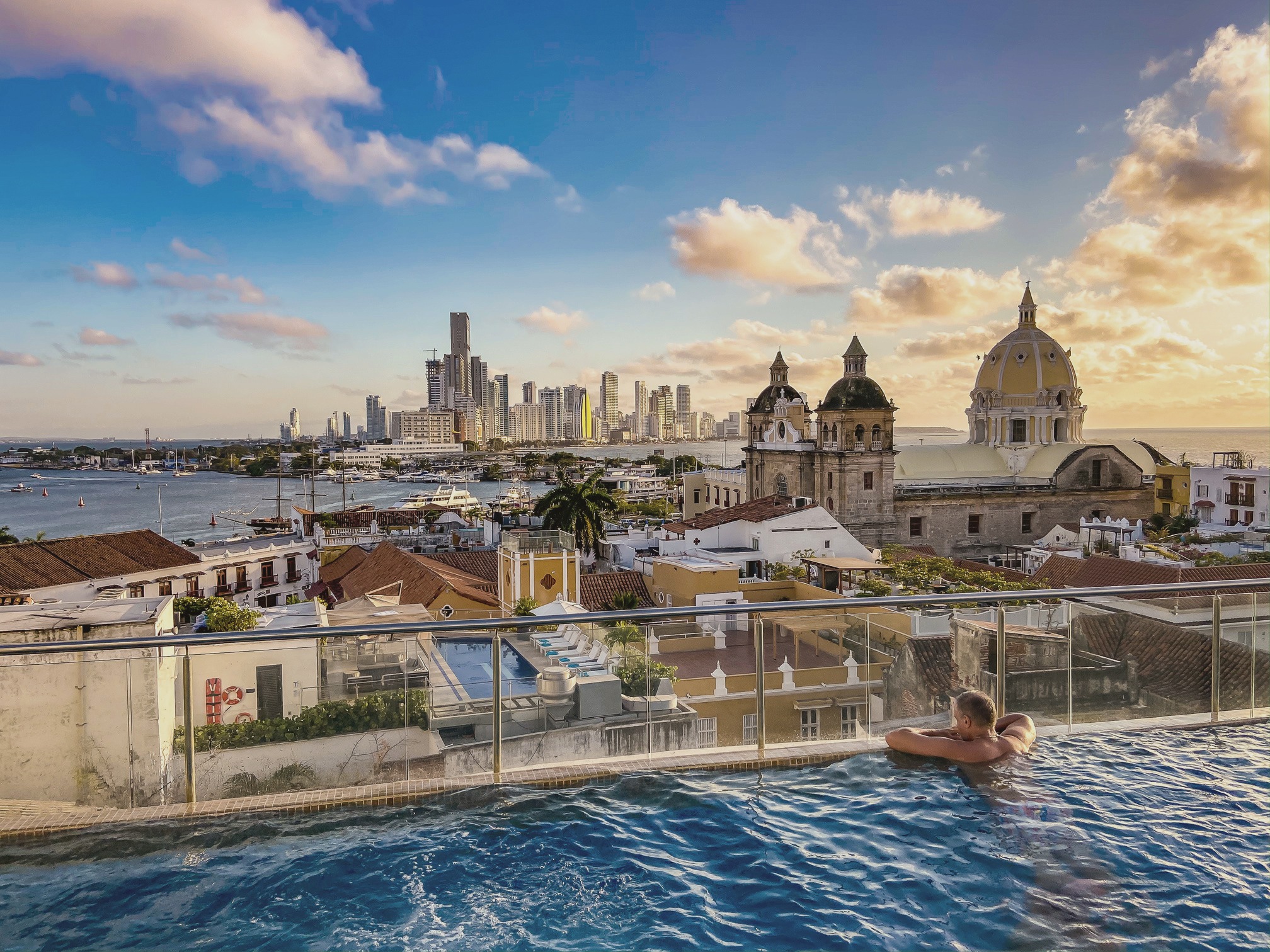
Imagine your next chapter beginning with a swim in the Mediterranean. You walk to the market, stop for coffee and return to a home where someone else handles the maintenance. There is a gym nearby, a doctor you trust and, eventually, a few familiar faces who expect you at dinner.
It is an appealing picture. Then comes the question that turns a daydream into a decision: could you actually live there?
For people considering a move abroad, the answer depends on more than finding the right house. It also depends on whether a country will let them stay, and whether life there will still work when the holiday feeling wears off.
That is where golden visas enter the story.
Despite the name, a golden visa is usually a residence permit linked to an investment. In some countries, buying qualifying property can open that door. Citizenship is a separate matter, and a home purchase should never be mistaken for an automatic passport.
Demand for these options is attracting attention. Investment migration firm Henley and Partners reports that applications from American nationals through its business doubled in 2025. That is one company's client activity, rather than a count of all Americans moving overseas. Still, it offers a glimpse of the interest in having another place to go.
But some of the countries that helped popularize the idea are reconsidering the bargain.
Spain stopped accepting new investor visa applications in April 2025. Its government framed the decision around housing access, arguing that homes in areas under pressure should be available to people who need somewhere to live. Portugal removed property purchases from its golden visa program in 2023, although other qualifying investment routes remain.
For an overseas buyer, a seaside apartment may represent freedom. For someone who grew up nearby and cannot afford the rent, foreign demand can look very different. A credible conversation about living well abroad has to leave room for both perspectives.
Yet the end of a golden visa does not necessarily mean the end of the dream.
Spain still offers a separate residence visa for people who can support themselves without working. Applicants must meet financial, health insurance and other requirements. Buying an expensive home is not the ticket.
Panama offers another approach. Its pensionado route allows eligible retirees to apply for permanent residency with a qualifying lifetime pension generally starting at one thousand US dollars a month, alongside other conditions.
These routes reveal something easily lost in the headlines: moving abroad and investing abroad are different decisions. Someone who wants to spend their retirement in another country may have options that do not require buying their way in through property.
Elsewhere, real estate remains part of the invitation.
Greece continues to offer a golden visa, with standard property thresholds of eight hundred thousand euros in designated locations and four hundred thousand elsewhere. The higher threshold covers places including Athens, Thessaloniki, Mykonos and Santorini. Choosing a location can therefore change the financial commitment substantially.
In the United Arab Emirates, qualifying property investment of at least two million dirhams, roughly five hundred and forty-five thousand US dollars, can support a ten-year Golden Residency application. Certain mortgaged properties and purchases made before construction is complete can qualify under the official conditions.
Egypt goes further, offering a route to citizenship through qualifying property purchases starting at three hundred thousand US dollars, subject to approval and program rules.
Malaysia's My Second Home program takes another form. Its Silver category combines a renewable long-stay pass with a required bank deposit and home purchase. There are conditions on selling the home, too. A welcoming program can still involve a substantial commitment.
At a glance
Where the doors stand
| Country | Route | Status | Source |
|---|---|---|---|
| Spain | Investor (golden) visa | Closed to new applications since April 2025 | Spain BOE |
| Spain | Non-lucrative residence visa | Open; financial and health insurance requirements | Spain Ministry of Foreign Affairs |
| Portugal | Golden visa | Property removed in 2023; other investment routes remain | Diário da República |
| Greece | Golden visa | Open; €800,000 in designated locations, €400,000 elsewhere | Enterprise Greece |
| United Arab Emirates | Golden Residency | Open; property from AED 2 million | UAE Government Portal |
| Egypt | Citizenship through property | Open; from US$300,000, subject to approval | Egypt Investment Authority |
| Malaysia | MM2H Silver | Open; bank deposit and home purchase required | MM2H Malaysia |
| Panama | Pensionado | Open; lifetime pension from US$1,000 a month | Panama National Migration Service |
The details differ, but they lead to a bigger question: what kind of life comes with the address?
That question connects immigration policy to the growing interest in longevity communities. The term describes places intended to make healthier living easier through home design, opportunities to stay active, social connection and access to appropriate services. It is a promise worth examining, rather than proof that a development will help anyone live longer.
Some destinations are building more of the supporting infrastructure. In October 2024, Abu Dhabi introduced a dedicated licensing framework for Healthy Longevity Medicine Centres, covering services aimed at prevention, health and well-being.
For a prospective resident, though, the test is often more ordinary. Can you walk comfortably outside? Find a clinician who understands your medical history? Keep doing the things you enjoy if your mobility changes? Meet people without having to organize every interaction yourself?
A beautiful view cannot answer those questions.
Nor does permission to live somewhere settle how healthcare will be paid for. For Americans, Medicare generally does not cover care outside the United States, apart from limited exceptions. Moving abroad also does not, by itself, end a US citizen's federal tax obligations on worldwide income, although credits and other provisions may apply.
Then there is the part of the move that no application form measures: belonging.
The World Health Organization reported in 2025 that roughly one in six people worldwide experiences loneliness, and highlighted the importance of social connection for health. A move deserves as much thought about friendships and everyday routines as it does about floor plans.
Before making a permanent commitment, imagine an ordinary Tuesday there. The visitors have gone home. You need groceries, a prescription refill and someone to have lunch with. Would the place still feel like a good choice?
For the people building these communities, that is a useful test as well. A compelling offer should explain how daily life works, how residents connect with the surrounding town and what support is available when circumstances change.
Residency programs will keep evolving. They can make a move possible, but they cannot make a place feel like home.
The dream may begin with a house beside the sea. Its lasting value lies in the life you can build around it.